Monday, 26 November 2018

Interaction: the Nervous System


The NERVOUS SYSTEM is the system that receives all the information captured by the senses, interprets it and responds or reacts to each situation.

It has special cells called NEURONS and it is divided into two parts:
                                                                                  
1. The Central Nervous System 


2. The Peripheral Nervous System


1. Central nervous system: the brain and the spinal cord.   


A. The BRAIN is the most important organ in the nervous system and the main control centre of your body, like a computer. It has three parts:   
   
FUNCTION
a. Cerebrum
It controls intelligence, memory, personality, emotions, speech and voluntary movements (reading, jumping, etc.) It has different areas or lobes with different functions. 
 b. Cerebellum
Balance, movement and coordination
c. Brainstem
It controls involuntary movements (breathing, heart beat, blinking of our eyes, etc.) It links the brain and the spinal cord.


   B. The SPINAL CORD 

      The spinal cord is made up of nerve tissue forming a long, thick tube within our spinal column. It is almost like a highway connecting the brain to all the bodies’ nerves. The spinal cord is responsible for all the reflexes, like when you touch something very hot and you take your hand away instinctively, without even thinking.


2. Peripheral nervous system:  

It is a set of NERVES which travel around our body. There are two types of nerves:
     
       a. Sensory nerves: carry information received by the five senses to the brain.   
    
     b. Motor nerves: transmit the brain’s responses to the muscles, joints and skin, which results in movement or a physical reactions like sweating.


How does your nervous system work?


The nervous system: structure


The nervous system


Nervous system 3D animations (just for fun!)


Wednesday, 7 November 2018

Plant Kingdom: nutrition, interaction and reproduction. The classification of plants


Plant kingdom

Plants are multicellular organisms with eukaryotic cells. Unlike animals, plants cannot move. Their cells have a cell wall and chloroplasts, which contain a green pigment called chlorophyll, which is involved in photosynthesis.

As all living things, plants carry out the three basic life processes:
 - Nutrition: plants can make their own food through a process called photosynthesis, in which plants use the light from the Sun.

 - Interaction: plants cannot move but they interact with the world around them by growing towards light and water and by opening and closing their leaves and petals.

 - Reproduction: some plants reproduce by spores and others reproduce by seeds. 


Watch this video to learn more about Nutrition in plants: the process of Photosynthesis


According to the way they reproduce, we can classify plants into Non-seed plants (mosses and ferns) and seed plants (gymnosperms and angiosperms)

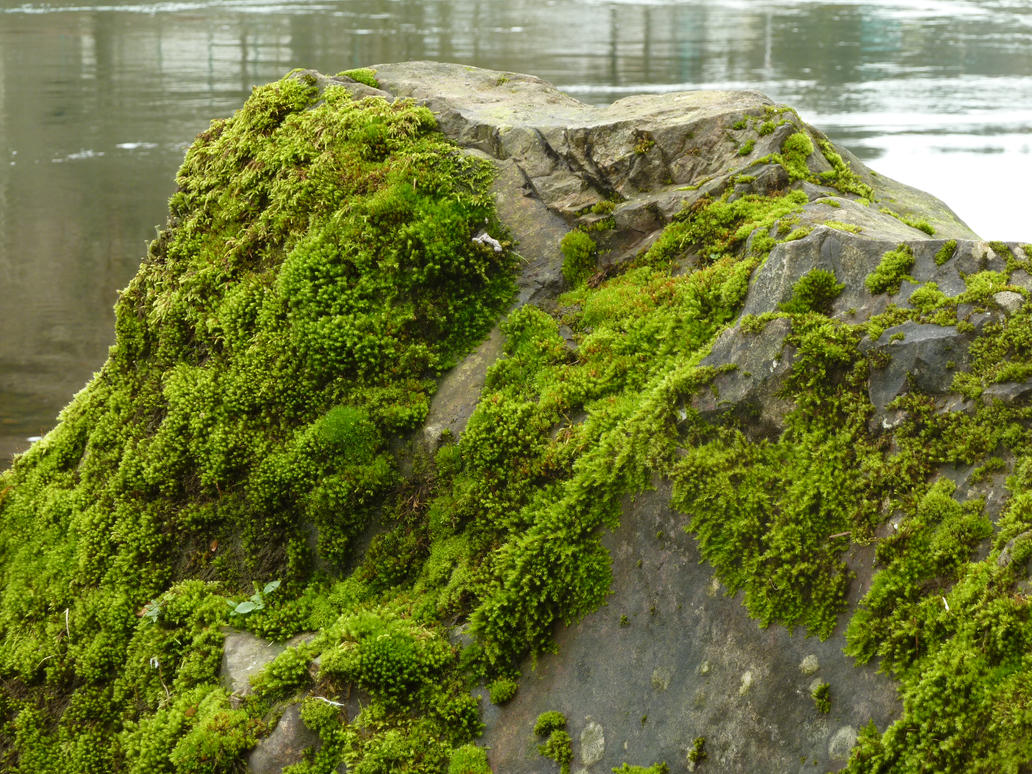
1. Non-seed plants: they reproduce by producing cells called spores that grow into a new plant.

Resultado de imagen de moss on rock
Mosses
Imagen relacionada
Ferns

Did you know?


2. Seed plants: they reproduce by producing seeds that grow into a new plant.

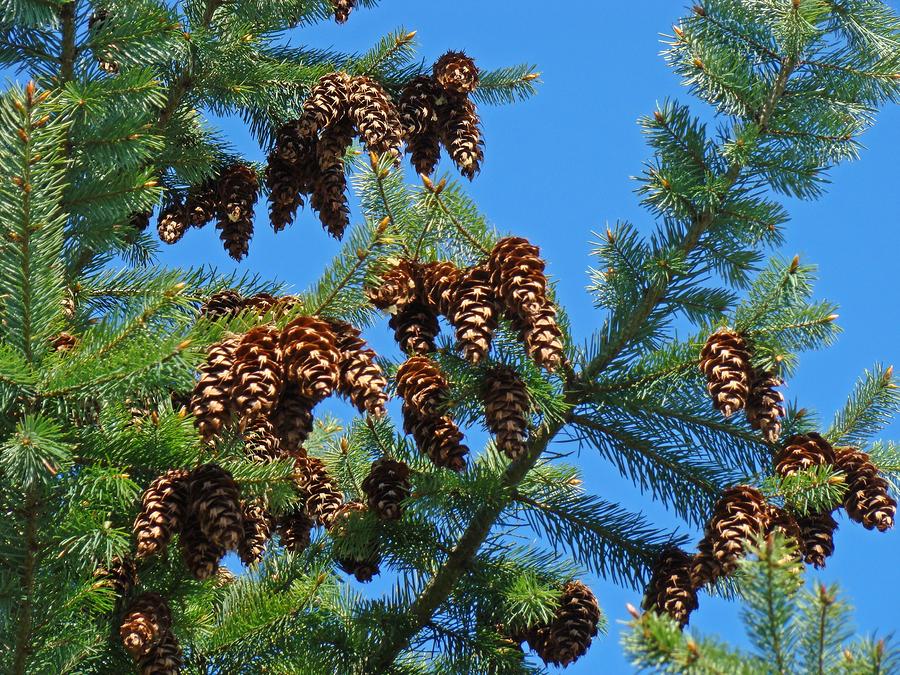
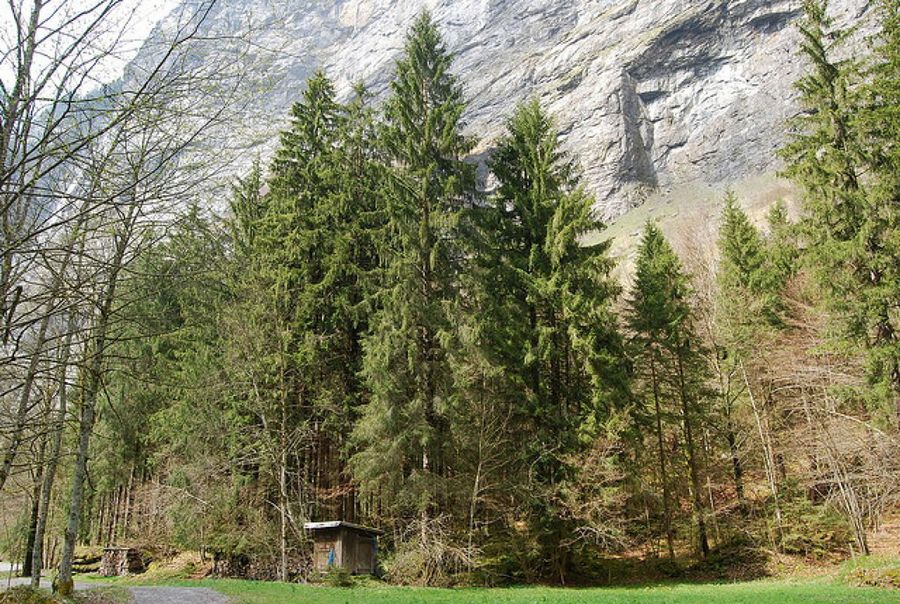
A) Gymnosperms: they do not produce flowers or fruits, the seeds are grouped  in cones. 

Resultado de imagen de angiospermsResultado de imagen de pine tree with cone ghj


B) Angiosperms: they produce flowers and fruits which contain the seeds.


Examples of Angiosperms
Resultado de imagen de angiosperms flower  Resultado de imagen de angiosperms flower
      Seeds in flower and fruit.                      Parts of a flower


Here you have a video to understand the differences between gymnosperms and angiosperms better